My Life From My Dog's Perspective: A Day in Their Paws
A warm feature on seeing your daily routines through your dog's eyes, plus practical tips for writing your own pet POV narrative.
🐾 Free: what would your dog say about you?
Answer 6 questions →Viewing your life from my dog’s perspective transforms ordinary routines into a clear portrait of shared habits, quiet loyalty, and comical misinterpretations. When you imagine how your dog interprets the click of the coffee maker, the sound of shoelaces snapping against leather, or the rustle of a treat bag, you uncover a story centered on comfort and trust. This imaginative shift helps dog owners celebrate everyday rituals, draft custom keepsakes, and look at their own home through fresh, observant eyes.
Short answer: Seeing my life from my dog’s perspective turns ordinary daily routines into a meaningful story of companionship and trust. By looking at morning wake-ups, breakfast prep, afternoon waiting, and evening walks through your dog’s eyes, you gain a playful, affectionate view of your daily bond while gathering ideas for custom letters, creative storytelling, and social posts.
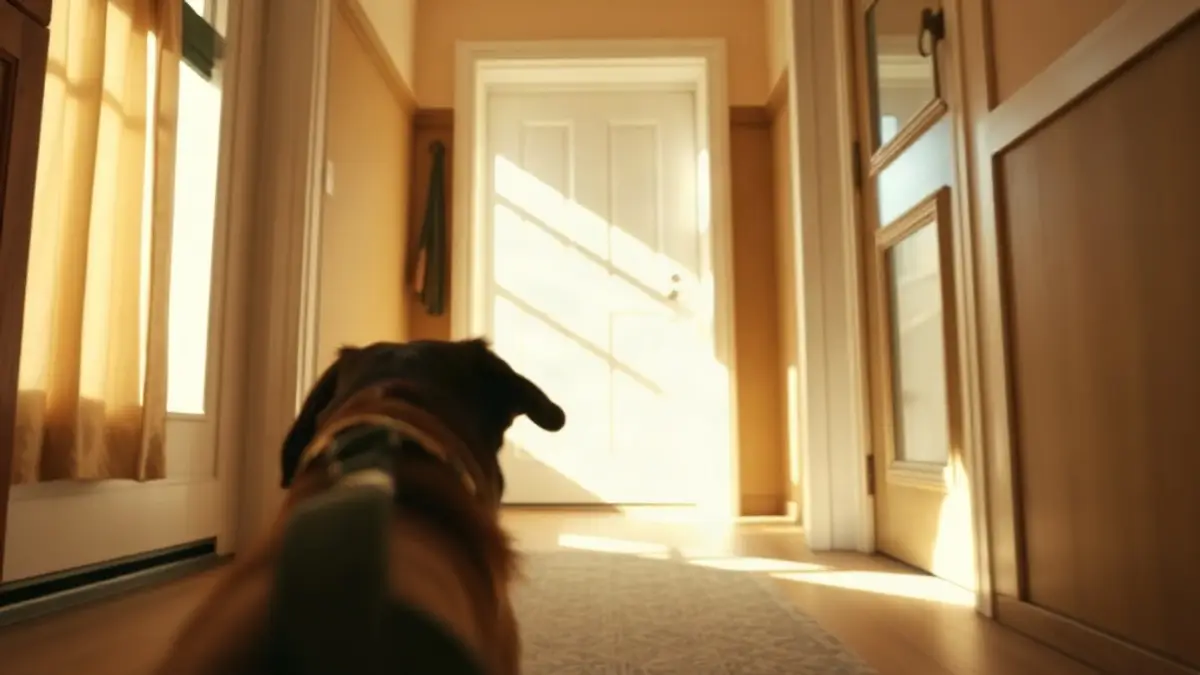
A Narrative Snapshot: My Life From My Dog’s Perspective
The morning begins long before the electronic alarm sounds on the bedside table. From the foot of the mattress, the earliest sign of dawn is not light through the window blinds, but the subtle shift in human breathing. A deep exhale signals that waking up is near. Ears perk up, a tail gives two slow thumps against the duvet, and the daily vigil begins.
To imagine life from a dog’s point of view is to pay attention to details that humans usually ignore. Take a beagle named Pepper, for instance. To Pepper, the sound of your feet swinging out of bed and hitting the hardwood floor is the official opening ceremony of the day. You might think you are simply stumbling toward the bathroom, but to Pepper, you are executing a carefully choreographed morning routine designed entirely around shared companionship. Every motion carries meaning: opening the sock drawer means a potential walk, while reaching for a sweatshirt means cozy couch time is still on the schedule.
When you view your morning through your dog’s eyes, mundane actions take on personality. The slow stretch across the rug is not just flexibility; it is an invitation to interact. The way you double-check your phone while sipping water looks like a solemn ritual worthy of quiet respect. By observing these quiet moments, you start to build a story from dog’s perspective that feels authentic because it relies on real, observable habits rather than grand dramatic events.
Morning Alarm and Kitchen Rituals Through Canine Eyes
The kitchen island is the primary command center of the home. Standing at floor level, a dog sees a world of elevated surfaces, tantalizing aromas, and rhythmic cabinet doors. The silver machine on the counter hums to life, dripping hot water into a pot. To a human, it is just morning caffeine. To a dog, that steady hum is the ultimate timer, signaling that human mobility is reaching full operational status.
Breakfast negotiations are always conducted with silent precision. The refrigerator door opens with a soft rubber seal suction sound, releasing a cool wave of air smelling of cheddar, leftovers, and milk. The dog sits four feet back, maintaining an expression of polite patience. When the ceramic bowl hits the granite counter, the sound echoes across the kitchen floor.
Consider the dropped crust of sourdough toast. To you, it is a minor kitchen mistake requiring a paper towel. To your dog, it is a well-earned reward for sitting quietly near the pantry. The crunch of kibble entering the bowl, the precise angle of the spoon scooping peanut butter, and the cool splash of fresh water filling the stainless steel dish form the background music of your shared morning. These tiny interactions serve as the primary fuel for any dog POV story you might tell.
The Window Watch and the Meaning of the Front Door
Once shoes are laced and keys jingle near the entryway, the tone of the house changes. The front door closing creates a sudden pause in the daily narrative. From the living room sofa, the window perch becomes an active observation station for the afternoon.
From a dog’s point of view, the outside world is an endless stream of silent theater. Passing shadows on the sidewalk require quick evaluation. The mail carrier walking with heavy steps, the neighbor walking an energetic terrier, and the delivery van idling in the street are all notable events. A dog spending the afternoon near the window is not merely passing time; they are holding down the fort until their favorite human returns.
Many owners often reflect on what your dog thinks you are doing all day while you are at work, running errands, or sitting at a desk in another room. To a dog resting quietly on a warm rug, human absence is simply a waiting period between morning breakfast and the evening reunion. When the key finally turns in the front door deadbolt, the quiet house erupts into celebration. The tail thumps, the body wiggles, and the entire afternoon of quiet patience is instantly forgotten.
The Evening Walk: Navigating the Neighborhood Narrative
When the leash clicks onto the collar ring, the outdoor world comes alive with complex information. To a human, an evening stroll is exercise or a quick break before dinner. To a dog, stepping onto the front porch is like opening a local newspaper written entirely in scents.
The sidewalk holds a detailed community logbook. Every lamppost, wooden fence post, and patch of clover carries notes left by other neighborhood dogs earlier in the day. A three-minute pause at a single fire hydrant is not a delay; it is an intense study of local events. The dog sniffs intently, reads the air currents, and processes who passed by, when they were there, and which direction they traveled.
Taking an evening walk is one of the most effective bonding activities with your dog. While you might be mentally reviewing your schedule or thinking about household tasks, your dog is entirely grounded in the present moment. They notice the rustle of a squirrel in the oak tree, the cool breeze blowing down the alley, and the steady cadence of your sneakers beside them. Walking together strengthens trust through simple, repeated rhythm.
Anthropomorphism and Understanding Dog Behavior
When we create stories or social posts written from a dog’s point of view, we rely on anthropomorphism—the human practice of assigning our own thoughts, feelings, and motives to animals. Imagining that your dog views your morning coffee routine as a sacred ceremony is a creative way to capture the affection you share.
While framing life from dog’s perspective is a delightful creative exercise, it is helpful to keep imaginative storytelling separate from practical behavioral understanding. Dogs experience the world primarily through smell, sound, and visual cues, driven by instincts, routines, and emotional associations rather than complex verbal logic. Recognizing this difference allows owners to enjoy playful creative writing while remaining attentive to their dog’s genuine body language.
It is also vital to keep health and behavior in perspective. While interpreting a head tilt as a funny thought is lighthearted, real changes in physical habits require attentive care. If your dog shows sudden shifts in appetite, unusual lethargy, sudden aggression, or signs of physical discomfort, do not attempt to interpret these changes through a fictional lens. Consult a qualified veterinarian or a certified professional dog trainer to address any underlying medical or behavioral needs promptly.
How to Draft Your Life From My Dog’s Perspective
Writing a narrative or letter from dog’s point of view is an engaging project that captures the distinct personality of your household. Whether you want to imagine what it would look like in a POV your dog could talk, craft a caption, or create a keepsake, grounding your draft in real observations makes the final piece resonate.
Follow these practical steps to build an authentic narrative from your pet’s point of view:
- Identify specific sensory cues: Notice the everyday sounds and scents your dog responds to, such as the click of the leash, the rustle of the treat bag, or the hum of the vacuum cleaner.
- Observe unique physical habits: Document how your dog rests, such as leaning their weight against your shins, resting their chin on your foot, or doing three complete spins before settling down.
- Track house routines: Focus on specific moments like the morning kitchen setup, the mid-afternoon sunbeam nap, or the evening couch cuddle.
- Use observant, direct language: Write from a grounded perspective rather than using overly grand metaphors or exaggerated baby talk.
- Emphasize shared trust: Highlight how your dog relies on you as their safe base, leader, and primary source of comfort throughout the day.
If you are looking for an easy way to capture your dog’s voice without staring at a blank page, try the free six-question experience. In about one minute, you answer six simple questions about your dog’s quirks, favorite routines, and unique habits to see a personalized interpretation of what your dog might say about your life together. It requires no payment or account setup.
Comparing Ways to Capture Your Dog’s Point of View
When deciding how to express your life through your dog’s eyes, consider which format best suits your goal. A short social media post works well for a quick chuckle, while a structured narrative or keepsake creates a lasting family item.
Here is how different storytelling formats compare when capturing a dog POV story:
| Storytelling Format | Primary Purpose | Typical Word Count | Key Focus Area | Ideal Use Case |
|---|---|---|---|---|
| Social Media Caption | Quick sharing and humor | 30–100 words | Single funny habit or photo moment | Everyday photo updates |
| Short Personal Letter | Expressing affection | 200–500 words | Daily gratitude and routines | Gifts, birthdays, and holidays |
| Keepsake Storybook | Full visual story | 10–12 spreads | Daily narrative and shared adventures | Display items and gifts |
| Memory Journal Entry | Personal reflection | 100–300 words | Specific milestones and growth | Long-term memory tracking |
| Short Video Voiceover | Audio narrative | 20–60 words | Real-time commentary on actions | Reels and home video clips |
Each format offers a distinct way to record your shared history:
- Captions highlight fast, humorous observations that match a specific photo.
- Letters allow for a mix of sincere emotion and playful commentary about home life.
- Storybooks combine detailed written narrative with full-page visuals to build a structured narrative arc.
- Journals help you track subtle changes in your dog’s habits and personality over several years.
Writing Dog Point of View Stories for Special Moments
Adapting a dog POV narrative for major events gives standard celebrations a personal touch. If you want to construct a POV your dog writes you a letter, taking the perspective of your dog highlights the genuine warmth of your daily lives during birthdays, holidays, or gotcha days.
When writing for a birthday or adoption milestone, focus on the passage of time through small, consistent rituals. You might write about the progression from puppy clumsiness to mature neighborhood walking, or highlight how your dog learned the precise sound of your car turning into the driveway. If you want to craft a full written letter, reviewing guides on how to write a letter from your dog’s perspective can help you structure your thoughts effectively.
For broader narrative projects, learning how to write a story about your dog helps you organize individual moments into a satisfying narrative. You can explore a weekend camping trip, a move to a new house, or simply the peaceful evolution of a quiet Sunday morning.
Turning Daily Perspective Into a Storybook Keepsake
If you want to turn these everyday observations into an illustrated item you can keep forever, Our Story™ offers a tailored option designed specifically for dog owners. The Our Story™ personalized digital storybook ($19, one-time purchase) transforms your answers and photos into a custom 10–12 spread digital storybook starring you and your dog.
The storybook narrative is built around the specific habits, nicknames, and routines you share, accompanied by custom illustrations created from one photo of your dog and one photo of yourself. The resulting digital PDF is an AI-assisted illustrated interpretation of your shared bond—not a photographic copy—making it a creative visual keepsake you can read on digital devices or print at home. No subscription is required, and no physical items are shipped.
You can also explore other keepsake formats, including a $7 personalized letter from your dog for a text-focused gift, or a $4 custom movie poster pack that turns your dog into the star of original thematic movie art.
Frequently asked questions
How do I make a story written from my dog’s perspective sound authentic?
Focus on concrete sensory details and observable habits rather than complex human logic. Mention specific sounds like the rattle of keys, the squeak of a toy, or the hum of the refrigerator. Highlight your dog’s actual routines, such as sitting on your feet or staring at the pantry door. Grounding the draft in real behaviors creates a believable, warm voice.
Is it safe or healthy to assign human thoughts to my dog?
Playfully assigning thoughts to your dog is a natural way for owners to express affection and reflect on their bond. It encourages mindfulness and helps you pay closer attention to your dog’s daily routines. Understanding the deep connection between dog and owner through storytelling is completely healthy as long as you remain attentive to their actual physical and behavioral needs.
What should I do if my dog shows sudden behavioral changes during the day?
If your dog displays unexpected changes in energy, appetite, sleeping patterns, or vocalizations, avoid treating the situation as a funny narrative quirk. Sudden behavior shifts can indicate underlying stress, anxiety, or medical issues. Always contact a qualified veterinarian or a certified dog behavior professional to evaluate your dog’s health and provide appropriate professional guidance.
Can I write a story from the perspective of two dogs at once?
Writing from the viewpoint of multiple pets is a great way to highlight their unique dynamic and differing personalities. You can alternate voices between paragraphs or frame the narrative as a shared dialogue between them. Focusing on how they interact over food, sleeping spots, or walks balances both perspectives smoothly.
What is the ideal length for a dog point of view story?
The best length depends entirely on your chosen medium. A social media caption usually works best between 30 and 100 words. A personal letter or birthday note shines at 200 to 500 words, allowing enough room for detailed anecdotes without losing momentum. Illustrated storybooks typically span 10 to 12 pages or spreads, giving each scene space to breathe.
How are digital dog keepsakes delivered after purchase?
Digital keepsakes are generated after purchase based on the specific photos and questionnaire answers you provide. Once processing is complete, your custom PDF file is delivered digitally for download to your computer, tablet, or phone. Because these are purely digital products, nothing is printed or shipped to your physical address, allowing you to view or print them at home whenever you like.
Keep reading

What Does My Dog Think I'm Doing All Day?
From glowing screens to mysterious door departures, here is how your dog interprets your stranger human habits throughout the day.

How to Write a Letter From Your Dog's Perspective
A practical guide to capturing your dog's voice on paper using concrete daily details, warmth, and observant humor.

Write a Story About My Dog: Prompts, Plots and Tips
A guide to capturing your dog's personality, daily routines, and funny habits in a custom written narrative.