Things My Dog Wants to Tell Me (But Can't)
If your dog could leave a note on the kitchen counter, it would be full of tiny observations only you two share.
🐾 Free: what would your dog say about you?
Answer 6 questions →Your dog spends hours watching the rhythm of your day, learning your footsteps, your morning mug routine, and the exact sound of your coat zipper. While dogs communicate constantly through body language and behavior, owners often wonder what their pets would say if they had the words to express their daily lives. A thoughtful, playful interpretation of these routines reveals how closely your dog pays attention to every detail of your household.
Short answer: If your dog could write you a note, it would focus on tiny, shared routines—like how you prepare dinner, where you drop your socks, and how you greet them at the door. Understanding these signals helps owners recognize how deeply dogs track human habits, preferences, and quiet everyday moments.
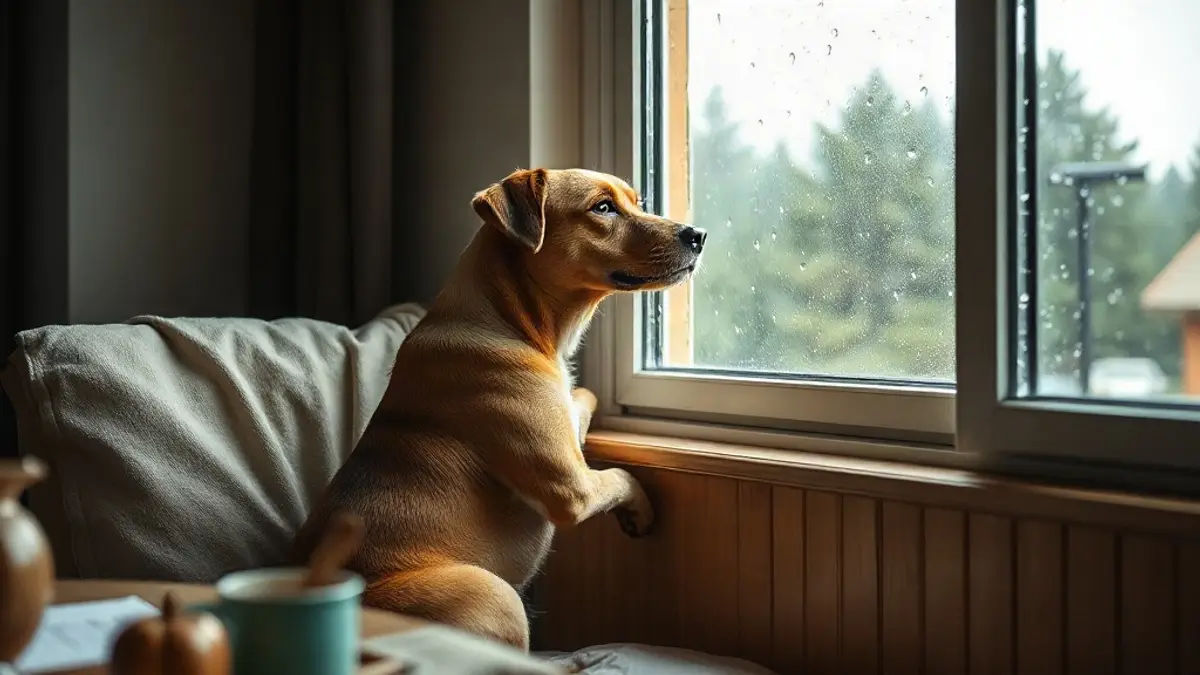
15 Things My Dog Wants to Tell Me About Our Daily Routine
When we imagine the things my dog wants to tell me, it is easy to default to big emotional declarations. But real canine observation lives in the mundane details of your morning commute, your evening sofa spot, and how you handle the kitchen cutting board.
Here are 15 things a typical companion dog might want to share about your shared life, written from a playful perspective grounded in everyday behavior.
1. The Sound of Your Keys Means Everything
You think all keys sound identical, but to a dog, your keyring has a specific pitch. The light jingle of your house key against your car fob signals whether a walk is short or long. When you pick them up off the entry table, your dog has already calculated the probability of coming along based on which shoes you put on first.
2. The Kitchen Floor Is My Primary Workplace
Every time you chop vegetables, a small shift in posture tells your dog whether a piece of bell pepper or carrot might fall. It is not just about food; it is about shared activity. Standing near your feet while you prepare dinner is a primary job assignment in your dog’s daily schedule.
3. I Know Your Work Meeting Stance
When you put on headphones or sit in a specific chair, your dog reads your posture. Many owners notice their dogs lie down directly beneath their desk during long phone calls. It is a quiet way of remaining near you while you focus on non-dog tasks.
4. Dropping Your Sock Is an Invitation
You might feel annoyed when a laundry hamper overflows, but your dog sees an obstacle course of your specific scent. Carrying a sock around the living room is rarely about destruction; it is a playful way to hold onto something that smells intensely like their favorite person.
5. Your Morning Stretch Starts My Engine
Before you even open your eyes, your breathing pattern changes when you wake up. Your dog hears that shift. The first deep breath or long stretch you make in bed is the official signal that the house is coming alive.
6. The Backyard Is Much More Interesting When You Are Out There
A lonely yard is just grass, but a yard with you holding a garden hose or a coffee mug is an adventure. Dogs often sit near the patio door until you step outside, turning a simple patch of turf into an active territory to explore together.
7. I Notice When You Shift Your Weight on the Couch
When you settle in to read or watch a movie, your dog tracks your movements. A slight lean to the left might mean space opened up for a chin rest. A shift toward the armrest means the blanket is about to move.
8. Your Sneaker Laces Tell a Full Story
Running shoes mean fast walking; casual slip-ons mean a quick trip to the trash bin; heavy boots mean yard work. Dogs learn to categorize footwear with surprising accuracy, organizing their expectations for the hour ahead based on your ankles.
9. The Front Door Greeting Is My Daily High Point
Whether you were gone for four hours or four minutes, your arrival home resets the house. The frantic tail wag, the soft whine, or the immediate rush to fetch a shoe are clear indicators of excitement. If you want to dive deeper into why this moment feels so intense, read about why does my dog get excited when I come home to see how dogs process reunions.
10. I Can Smell Where You Have Been
When you return from the grocery store, hardware shop, or a neighbor’s porch, your clothes carry a dense newspaper of smells. A thorough sniff at your knees is how your dog reads your recent itinerary.
11. The Window Blinds Are My Daily Channel
Sitting near the front window is not just idle waiting. Watching sidewalk traffic, delivery trucks, and neighborhood cats gives your dog a structured mental routine while you are busy indoors.
12. Your Tone of Voice Changes Everything
You do not need complicated words to convey your mood. A soft tone brings your dog closer, while a sharp voice prompts a subtle lip lick or a head tilt. Dogs pay close attention to auditory cues to gauge household harmony.
13. I Save My Biggest Yawn for Soft Surfaces
A deep, full-body stretch combined with a long yawn on the living room rug is often a sign of comfort and relaxation. It signals that the environment feels safe enough to drop all guard.
14. Your Lap Is Premium Real Estate
Even large dogs will attempt to fit a shoulder or head onto your lap if given the chance. Physical contact releases beneficial hormones for both humans and dogs, strengthening their day-to-day connection.
15. Every Routine Is Better When It Is Ours
Whether it is checking the mail, folding towels, or sitting on the back steps, dogs thrive on predictable, shared moments. The small habits you repeat daily form the core of your dog’s world.
If you want to imagine your own dog’s specific voice based on your home routines, try the free six-question experience. It takes about a minute, requires no account signup, and turns your dog’s real habits—like how they greet you or their favorite spot on the couch—into a lighthearted note written from their perspective.
What My Dog Wants Me to Know About Daily Communication
Understanding how dogs communicate requires paying attention to subtle physical cues rather than looking for vocal language. Dogs use ear placement, tail movement, weight distribution, and eye contact to express their needs and emotional states.
Many owners wonder what would my dog say if he could talk during ordinary moments. While we cannot read a dog’s mind, observing their patterns gives clear insight into their preferences.
| Dog Behavior | Common Interpretation | A Playful Way to Read It | What to Watch For |
|---|---|---|---|
| Leaning against your shins | Seeking physical comfort or stability | ”You are my favorite fence post.” | Steady weight placement without tension |
| Bringing you a worn shoe | Displaying social behavior or retrieving | ”This smells like you, so it belongs in the living room.” | Soft mouth, loose tail movements |
| Staring intently while you eat | Food seeking or observational focus | ”I am monitoring this cheese sandwich for safety.” | Calm posture, unblinking focus |
| Resting their chin on your knee | Requesting attention or closeness | ”My head is heavy and your leg is warm.” | Gentle pressure, soft eyes |
| Nudging your hand with their nose | Soliciting petting or interaction | ”Your hand stopped moving while I was speaking.” | Repeated upward nose nudges |
| Following you to the bathroom | Maintaining proximity and routine | ”I am your security detail for this hallway.” | Quietly waiting outside or near the door |
When evaluating behavior, it is helpful to distinguish between normal communication and signs of distress. If a dog displays sudden changes in behavior, extreme restlessness, severe separation distress, aggression, or signs of pain, consult a veterinarian or a certified professional dog trainer for proper guidance.
What Does My Dog Wish They Could Tell Me About Household Habits?
If your dog could compile a list of observations about your household, it would highlight the patterns you might not even realize you have formed. Dogs are expert observers of human behavior, tracking minute signals that indicate what will happen next.
Consider how your dog reacts to specific triggers throughout the afternoon:
- The Ice Maker Click: The distinct sound of an ice dispenser dropping a cube into a glass instantly attracts attention, especially in warmer months.
- The Coat Rack Shuffle: Reaching for a raincoat vs. a denim jacket signals whether the trip involves muddy trails or a quick walk around the block.
- The Cutting Board Thud: A heavy wooden board hitting the counter suggests prep work, while a plastic mat indicates a quick sandwich.
- The Laptop Lid Closing: The soft snap of a laptop lid signals the end of a work session, prompting an immediate tail wag in anticipation of attention.
These observations form the foundation of how dogs interpret their lives. If you have ever thought about writing a tribute from your dog’s point of view, exploring a letter from dog to owner offers a creative way to capture those subtle interactions.
Decode What Your Dog Would Tell You About Your Life Together
Every household creates its own quiet language. A golden retriever in a bustling family house experiences a completely different daily flow than a senior terrier in a quiet apartment. The key to understanding your dog’s perspective is focusing on your specific routines.
Here are five key areas where your dog’s perspective aligns with your daily habits:
- Your Shared Morning Routine: How you wake up, whether you make coffee first or head straight outside, sets the emotional tone for your dog’s morning.
- Your Departure Cues: The specific sequence of actions you take before leaving—putting on shoes, grabbing keys, checking light switches—is carefully studied by your dog.
- Your Quiet Afternoon Hours: Resting near your desk or curled up in a sunny spot on the rug represents essential downtime that dogs value deeply.
- Your Evening Greeting: The energy you bring through the front door helps your dog transition from rest to active family engagement.
- Your Bedtime Signals: Turning off lamps, locking doors, and fluffing pillows tell your dog that the day is officially ending.
To explore the deep appreciation dogs show for these small moments, consider reading a thank you letter from dog to see how daily care translates into lifelong companionship. If your dog sticks to your side throughout every task, learning why does my dog follow me everywhere can help explain that loyal shadow behavior.
Many owners wonder if their daily affection is truly understood by their pets. Exploring whether does my dog know I love them highlights how physical care, consistent schedules, and gentle interactions communicate love far better than words ever could.
Things Your Dog Wishes You Knew About Their Unique Personality
No two dogs have the exact same list of preferences. Imagine a rescue beagle named Pepper who insists on carrying a specific plush toy to the door every time guests arrive, compared to a quiet greyhound who prefers to monitor the living room from a designated armchair cushion. The specific details of your dog’s life are what make your bond unique.
When thinking about things your dog wishes you knew, consider their individual quirks:
- The specific spot behind their ears that makes their back leg kick gently.
- The exact toy they pick out when they are feeling playful versus when they want comfort.
- Their unique reaction to the doorbell, the vacuum cleaner, or the neighborhood mail carrier.
- The way they claim their spot on your bed or couch every evening.
Capturing these personal quirks allows owners to see their pets as distinct individuals with rich daily lives.
Turning These Thoughts Into a Personal Keepsake
If you love reflecting on your dog’s quirky habits and daily routines, turning those observations into a written tribute brings those small moments to life. At Letter From My Dog, we create custom digital keepsakes designed to capture the specific relationship you share with your dog.
Our flagship product, Letter From My Dog™ ($7, one-time purchase), is a custom digital letter written as if directly from your dog. Built from your answers about their unique habits, favorite routines, and funniest quirks, it includes a complete keepsake bundle:
- A Full Personalized Letter: Written from your dog’s perspective based on your answers.
- Our Bond Story: A detailed breakdown of your unique daily rhythm together.
- 10 Little Things Your Dog Loves About You: Specific observations tailored to your pet.
- The Tiny Things™: A highlight section celebrating your dog’s smaller quirks.
- Printable PDF & Digital Formats: Ready to print at home, frame, or store safely.
- Phone Wallpaper & Social Share Card: High-resolution digital images to keep on your devices.
We also offer the personalized dog storybook ($19) for a full multi-page story featuring your dog, and the Dog Movie Poster Pack™ ($4) to reimagine your dog as the hero of their own film poster. All products are digital keepsakes generated after purchase, allowing you to print them easily at home.
Things My Dog Wants to Tell Me: Why the Details Matter
When reflecting on the primary idea—things my dog wants to tell me—it becomes clear that generic statements never capture the true essence of life with a dog. Saying “my dog loves me” is nice, but acknowledging that “my dog waits by the bathroom door every single morning while I brush my teeth” paints a complete, vivid picture.
Every dog owner holds a mental archive of these micro-moments. The way your dog rests their snout on your knee during dinner, the exact noise they make when they spot a squirrel, or the way they claim the warmest patch of sunlight on the rug—these details define your life together.
By taking time to notice and record these habits, you honor the observational nature of your dog. They spend their lives watching us, learning our patterns, and adapting to our routines. Reflecting those observations back through stories, written letters, or simply quiet moments of appreciation strengthens the daily connection you share.
Frequently Asked Questions
How do I know if my dog is trying to tell me something?
Dogs communicate primarily through body language, vocalizations, and changes in behavior. If your dog nudges your hand, stares intently, paces near the door, or brings you an item, they are likely signaling a need or seeking interaction. Learning to read subtle cues—such as ear position, tail posture, and eye contact—helps you interpret what your dog is trying to convey during daily routines.
Can dogs really understand our daily habits and routines?
Yes, dogs are exceptional at recognizing human patterns and routines. They associate specific sounds, clothing choices, and sequences of events with outcomes like walks, meals, or quiet time. For example, picking up a leash, closing a laptop, or grabbing a specific set of keys all send clear signals that your dog learns to interpret over time.
What if my dog’s behavior changes suddenly?
Sudden changes in a dog’s behavior, vocalization, sleep patterns, eating habits, or activity levels should always be evaluated by a professional. Behavior changes can sometimes indicate underlying medical issues, discomfort, or stress. If you notice dramatic shifts, consult your veterinarian or a certified professional dog trainer for guidance rather than attempting to interpret the behavior on your own.
How does the free experience on your site work?
Our free six-question experience takes about one minute to complete and requires no account signup. You answer a few simple questions about your dog’s real habits—such as their name, how they greet you at the door, and their favorite routines—and receive a personalized preview showing what your dog might say about your life together.
Are the personalized letters physical products that get shipped?
No, all Letter From My Dog products are digital keepsakes generated after purchase. You receive high-resolution files, including printable PDFs, phone wallpapers, and digital share cards, which you can easily print at home or at a local print shop. No physical items are shipped, ensuring you receive your custom digital files promptly after purchase.
Can I create a letter for a senior dog or a puppy?
Yes, the questions allow you to tailor the output to any stage of your dog’s life. Whether you are capturing the playful energy of a new puppy or reflecting on years of shared routines with a grey-muzzled senior dog, the process focuses entirely on the specific memories and habits you choose to share.
Keep reading
What Would My Dog Say If He Could Talk?
Your dog expresses affection, humor, and daily preferences through micro-behaviors that you can easily translate into plain English.
Letter From Dog to Owner: What It Would Really Say
What your dog would put on paper isn't a poem—it's an honest, funny account of your shared household rituals and quiet moments.
Thank You Letter From Dog: What Your Dog Is Grateful For
When you look past training and feeding routines, a thank you letter from your dog reveals how deeply they notice the simple comforts of home.