Funny Things Dogs Do (and Why We Love Their Quirks)
From post-bath zoomies to dramatic head tilts, an inside look at the endearing behaviors that make life with dogs so endlessly entertaining.
🐾 Free: what would your dog say about you?
Answer 6 questions →Dogs steal damp socks, sprint across the living room after a bath, and tilt their heads at high-pitched noises because of a mix of evolutionary instincts and social playfulness. These actions serve as communication, physical energy releases, and subtle requests for your attention. Observing these specific habits offers a window into how your companion experiences the household every day.
Short answer: Dogs perform quirky behaviors like sock stealing, head tilting, and bedtime spinning due to natural instincts inherited from wild ancestors, combined with learned responses to human attention. While these actions are usually harmless ways to express joy or curiosity, any sudden shift in your dog’s routine or behavior should be discussed with a qualified veterinarian.
The Psychology Behind My Dog’s Weird Habits
To understand why dogs engage in peculiar daily routines, it helps to examine how domestic dogs navigate our human environments. For thousands of years, dogs have adapted their wild drives to fit inside carpeted living rooms, suburban yards, and urban apartments. When you spot what appears to be unprovoked chaos, you are often watching a ancient survival mechanism playing out in a modern home.
Canine behaviorists who study dog behavior point out that domestic dogs retain many foraging, hunting, and pack-communication signals. However, because they no longer need to hunt for survival, those innate drives manifest as playful household rituals. A dog does not steal a laundry sock because they need clothing; they take it because it carries your concentrated scent and offers a texture that feels satisfying to carry.
Furthermore, dogs are master observers of human body language. They quickly learn which behaviors prompt a laugh, a gentle stroke behind the ears, or a spoken response. When a dog performs an action that results in your attention, even a mild laugh, they file that information away. Over time, these repeated interactions shape the distinct personality traits that make living with a dog so memorable.
When observing my dog’s weird habits, it becomes clear that these moments are rarely random. They are subtle exchanges of communication, physical adjustment, or pure emotional expression that reflect how safe and comfortable your dog feels in your home.
Classic Funny Things Dogs Do in Daily Life
While every dog has a unique personality, certain behaviors appear across breeds, sizes, and ages. These classic routines are part of what makes sharing a home with a dog so uniquely entertaining.
The Laundry Heist: Sock Theft
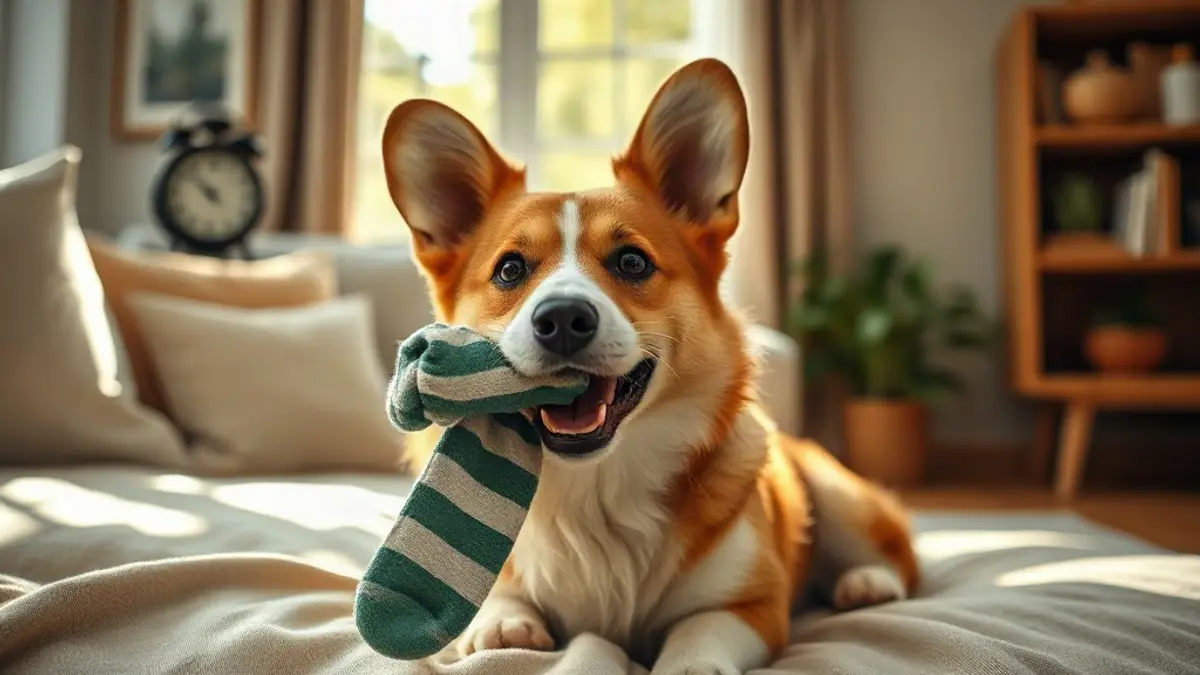
Few mysteries are as universal as the missing sock. You drop a pair on the bedroom floor while changing, and within seconds, a quiet shadow trots past the doorway holding a damp bundle in its jaws. Sock theft is rarely destructive in nature; it is almost always an act of scent gathering and playful collection.
Socks retain more of your personal scent than almost any other item of clothing. Carrying your sock allows a dog to keep a comfort signal close while exploring the house. In many cases, it is also a game of low-stakes chase. The moment you turn around and call their name, the game officially begins.
The Post-Bath Zoomies
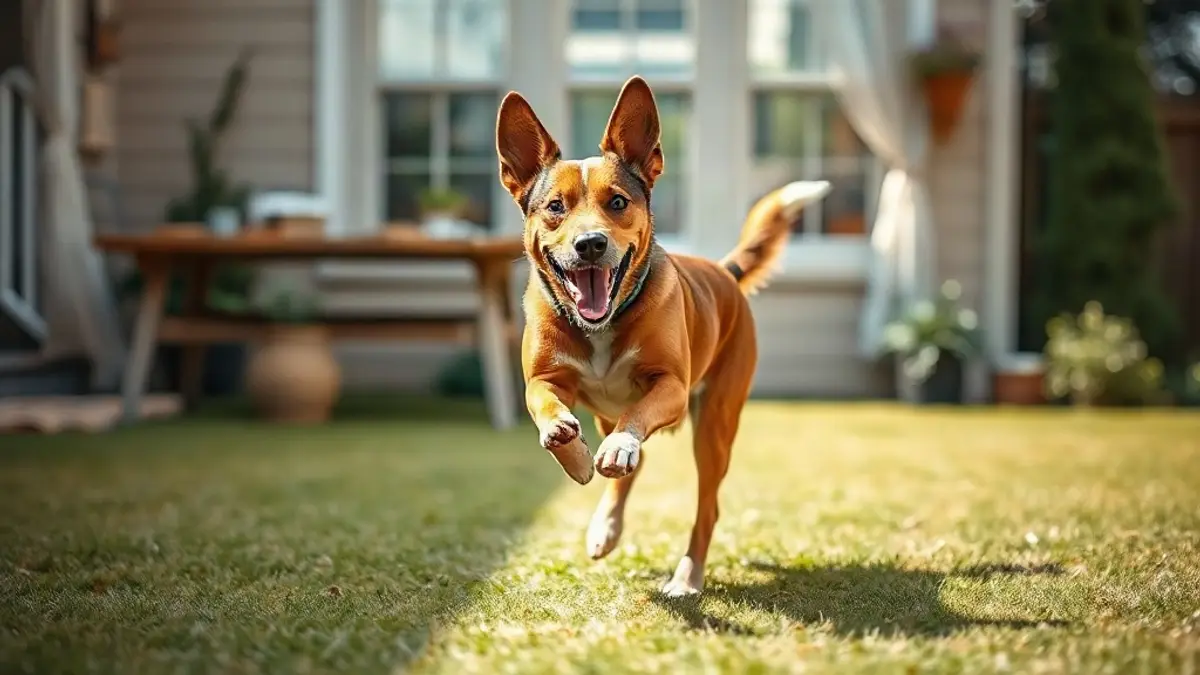
Nothing transforms a quiet afternoon like the frantic burst of speed that occurs immediately after bath time. The moment the towel comes off, many dogs drop their heads, tuck their hindquarters, and sprint in wide, breathless circles around the couch or down the hallway.
This behavior, officially known as Frenetic Random Activity Periods (FRAPs), is a natural release of nervous energy. Bathing involves standing still, enduring water and shampoo, and handling sensory overload. Once the ordeal ends, the sudden surge of adrenaline combined with the urge to dry off produces a joyous, high-speed victory lap.
The Curiously Intense Head Tilt
When you speak in a higher register or make a novel sound—like a squeaky toy or a whistle—your dog may freeze and tilt their head slowly from side to side. It is one of those little things dogs do that instantly catches our attention and makes us pause.
Researchers suggest that head tilting helps dogs pinpoint the exact source and distance of an intriguing sound. By adjusting the orientation of their ears, they gather clearer auditory information. Additionally, for dogs with longer snouts, tilting the head moves the muzzle out of their direct line of sight, allowing them to read the lower half of your face where human vocal cues and smiles are most visible.
Dinner and Bedtime Routines That Make Us Smile
Routine brings structure to a dog’s day, but the specific ways dogs carry out these daily milestones are filled with personal flair.
The Pre-Meal Happy Dance
As the clock approaches mealtime, many dogs develop elaborate rituals to herald the arrival of food. Some lift their front paws in a rhythmic rhythm, while others perform swift, tight spins in front of the pantry door. This behavior is fueled by anticipation and routine memory. Dogs possess a strong internal clock, and as food prep begins, the combination of scent cues and visual signals triggers an enthusiastic physical outlet.
The Three-Circle Nesting Ritual
Watch a dog prepare to lie down on a pet bed, a rug, or a pile of blankets, and you will almost always see them turn in small circles before lowering their body. They might turn twice to the left, pause, dig lightly at the fabric, turn once to the right, and finally settle.
This habit stems from ancestral wild dogs, who circled to trample down tall grass, ward off biting insects, and flush out small creatures before making camp. Circling also helped flatten the earth into a comfortable nest and allowed the animal to gauge wind direction for safety. Even on a plush memory foam bed, the instinct to prepare the nesting site remains strong.
Carrying That One Favorite Toy Everywhere
Many households have a specific stuffed toy that holds legendary status. Imagine a retriever named Barnaby who insists on carrying a worn, squeaker-less yellow duck to the front door every single time a visitor arrives. He does not drop it, nor does he want the visitor to take it; he simply wants to hold it while wagging his tail.
Carrying an object during moments of high excitement gives a dog a productive outlet for their energy. It acts as a pacifier, dampening the urge to bark or jump while providing a familiar sense of security. It is a endearing habit that highlights how dogs manage their big emotions.
When you spend your evenings observing these routines, it is natural to wonder why dogs stare at their humans right before settled habits kick in. Often, they are simply reading your reactions to know that the house is quiet and secure for the night.
Why Is My Dog So Weird? Instincts vs. Household Play
It is common to watch your companion perform an unexplainable action and wonder, why is my dog so weird? The answer usually lies in the intersection of natural canine instincts and the comfortable environment you provide.
In a wild setting, every physical action serves a clear survival purpose: hunting, defending territory, establishing pack hierarchy, or seeking shelter. In a home where food, safety, and comfort are fully provided, those underlying instincts do not vanish. Instead, they refract into play, affection, and harmless habit.
Here are a few common drivers behind those baffling daily moments:
- Sensory Curiosity: Dogs experience the world primarily through smell and sound. What looks like strange behavior to us is often a dog reacting to an invisible scent trail or a faint sound outside.
- Energy Displacement: When a dog feels excited, nervous, or eager, that emotional energy has to go somewhere. Pacing, spinning, or fetching an object helps regulate their internal system.
- Social Bonding: Actions that make you smile or speak gently serve as positive reinforcement. Your dog learns that certain quirks create pleasant, rewarding connection moments between you.
Understanding these underlying drivers transforms confusing habits into endearing traits that highlight your shared routine.
If you have ever paused during a quiet moment on the couch to consider what your dog’s weird habits say about their view of your home, you are not alone. Our team created a short, playful experience designed to capture those specific details.
You can take the free six-question experience to see a personalized reflection of what your dog might say about your life together. It takes about a minute, costs nothing, requires no signup, and focuses on the exact little quirks that define your dog’s personality.
Decoding Everyday Dog Behaviors
To help separate routine play from natural instincts, the table below outlines five frequent dog quirks, their underlying drivers, and how to interpret them in daily home life.
| Dog Quirk | Underlying Instinct or Driver | Playful Interpretation | What It Communicates |
|---|---|---|---|
| Sock Theft | Scent collection and soft-mouth retrieval | Gathering your scent for comfort | ”I want a physical piece of your day near me.” |
| Post-Bath Zoomies | Stress release and coat drying instinct | Pure physical celebration | ”The bath is over and I survived!” |
| Head Tilting | Auditory adjustment and visual alignment | Deep processing of human voice | ”I hear that tone and I am listening carefully.” |
| Pre-Bed Circling | Ancestral nesting and safety checks | Setting up the ideal resting spot | ”Making sure my sleeping area is safe and soft.” |
| Toy Presentation | Displacement of high emotional energy | Sharing comfort during greetings | ”I am so happy you are back, hold on to this feeling.” |
Every dog balances these traits differently. A working breed might express energy through intense staring or herding objects, while a companion breed might focus heavily on lap-snuggling and scent gathering.
When Cute Dog Habits Need Professional Attention
While lighthearted quirks make living with pets joyous, it is vital to distinguish between harmless quirks and signs of underlying physical or psychological distress.
Behavioral shifts can sometimes signal discomfort, illness, or cognitive changes. A dog who suddenly begins spinning compulsively, staring blankly at walls, or showing distress around food when they previously had no issues needs a professional assessment. A sudden change in routine is not just a quirky personality shift; it can be an early indicator that something physical is wrong.
Consult a veterinarian or a certified professional if you notice any of the following signs:
- Sudden Onset: A brand-new, repetitive behavior appearing overnight in an adult or senior dog.
- Compulsive Loops: Quirks that the dog cannot stop, even when offered a favorite treat, meal, or walk.
- Signs of Pain: Flinching, sudden guarding, stiffness, or vocalizing during physical movement or circling.
- Anxiety or Aggression: Behaviors accompanied by heavy panting, dilated pupils, pacing, growling, or intense lip-licking.
- Loss of Appetite or Lethargy: Quirks accompanied by changes in drinking, eating, or general vitality.
Never treat sudden, dramatic behavioral changes as simple funny quirks. A quick consultation with your vet ensures that your dog remains comfortable, pain-free, and healthy.
Things Only Dog Owners Understand About Daily Life
Sharing a home with a canine companion creates a unique set of shared experiences. There is a quiet language built on daily rhythms, unspoken rules, and mutual understanding that non-dog owners rarely grasp.
Consider these everyday realities that define life with a dog:
- The Bathroom Escort: The total lack of personal privacy, as your dog considers it their solemn duty to guard you while you brush your teeth or take a shower.
- The Treat Pocket: Finding crumbly remnants of dog biscuits in the pockets of every coat, jacket, and pair of jeans you own.
- The Silent Conversation: Knowing the exact difference between their “I need to go outside” bark and their “you are thirty seconds late with dinner” vocalization.
- The Couch Negotiation: Gradually shifting your sitting position until you are perched on the absolute edge of the cushion while your dog sleeps soundly stretched across the remaining four feet.
- The Spell-out Ban: Having to spell out words like W-A-L-K, T-R-E-A-T, or P-A-R-K in silent whispers to avoid triggering an instant household parade.
These tiny, shared realities build the foundation of home life. When you reflect on a funny letter from your dog, it is usually these exact daily moments that carry the most truth. If you have ever wondered what your dog might say if they could speak, it would likely involve a playful commentary on these identical household habits.
Taking time to catalog the things you love about your dog allows you to hold onto these fleeting seasons of life, capturing the exact humor that makes your household run.
Turning Your Dog’s Quirks Into a Keepsake
When you live alongside a dog, their specific habits become the backdrop of your days. You learn the exact cadence of their footsteps, the sound of their sigh when they settle into their rug, and the hilarious rituals they perform when it is time to go outside. Capturing those unique traits in words creates a meaningful record of your shared life.
At Letter From My Dog, we help owners transform those small, specific observations into tailored keepsakes. Our main keepsake, Letter From My Dog™ ($7, one-time purchase), is a custom digital print written from your dog’s perspective. Built directly from the details you share—like their favorite sock-stealing habits, their dinner-time dance, and their favorite sleeping spots—it translates your daily routines into a sweet, humorous narrative.
Each order delivers a printable digital PDF, a phone wallpaper, and a share card, generated right after purchase with the help of generative AI. We also offer a personalized digital dog storybook ($19) for a multi-page story experience, as well as a Dog Movie Poster Pack™ ($4) that turns your dog’s biggest personality traits into custom film-style artwork. None of our products require subscriptions or physical shipping; you receive digital files ready to view, share, or print at home.
Frequently asked questions
Why does my dog steal my socks and hide them?
Dogs steal socks primarily because socks carry a high concentration of your personal scent. Your smell provides comfort and security, especially when you are busy or away from home. Additionally, carrying items in their mouth fulfills a natural retrieval instinct. If you react by chasing them, your dog may also view sock theft as an entertaining game designed to get your immediate attention.
Is it normal for a dog to run around wildly after a bath?
Yes, post-bath zoomies are extremely common and entirely normal. Bathing causes a temporary buildup of sensory stress and physical restriction. When the bath finishes, dogs experience a rapid surge of adrenaline and relief. Running at high speeds helps them release that pent-up energy, burn off nervous excitement, and shake off remaining moisture from their coat.
Why do dogs spin in circles before lying down?
Spinning before lying down is an inherited ancestral behavior. In the wild, wild canines turned in circles to pat down tall grasses, move sticks or rocks, and create a comfortable, clean surface for sleeping. Circling also flushed out hidden insects or small pests and allowed the animal to face the prevailing wind to detect potential scents or threats before resting.
Why is my dog so attached to one specific toy?
Dogs often prefer a specific toy based on its texture, scent, or squeaker sound. Carrying a familiar toy provides emotional comfort and serves as an outlet for excitement, especially during hellos or house transitions. A favored toy holds familiar scents from past play sessions, making it a reassuring object to hold onto when navigating big feelings or routines.
How can I tell if a weird habit is actually a health issue?
Harmless habits are usually playful, relaxed, and intermittent. A habit becomes a health concern if it appears suddenly, occurs compulsively without stopping, or is accompanied by signs of pain, lethargy, skin irritation, or changes in eating or drinking. If your dog seems distressed, unable to rest, or displays drastic personality shifts, schedule an examination with your veterinarian.
Can I turn my dog’s funny quirks into a personalized digital gift?
Yes. You can share your dog’s specific habits, nickname, and daily routines through our quick questionnaire to create a personalized digital keepsake. Products like Letter From My Dog™ ($7) use the details you provide to create a printable letter written from your dog’s viewpoint, capturing their unique traits in a clear, sentimental format.
Keep reading
Funny Letter From Dog: Ideas That Actually Land
The funniest dog letters skip generic pet tropes and focus on hyper-specific daily routines, dramatic confessions, and the quiet affection behind everyday chaos.
The Little Things Dogs Do That Mean Everything
Real connection with your dog isn't built on big vacations—it lives in the door greetings, couch steals, and silent side-eye.
Why Does My Dog Stare at Me? Decoding the Look
From the quiet couch gaze to the intense dinner table stare, here is what your dog's eyes are actually trying to tell you.