Am I My Dog's Favorite Person? Signs to Look For
From greeting rituals to quiet resting spots, here is how dogs choose their favorite human—and how to read the subtle signs.
🐾 Free: what would your dog say about you?
Answer 6 questions →You can usually tell if you are your dog’s favorite person through a distinct pattern of quiet preferences, such as full-body wiggle greetings, constant physical proximity, resting nearby during peaceful moments, and bringing you prized toys. While dogs form deep, warm connections with every member of a household, their primary favorite human is usually the person who provides consistent positive experiences, predictable energy, and focused attention during meals, walks, and quiet downtime.
Short answer: You are likely your dog’s favorite person if they seek you out during restful moments, greet you with loose body posture and tail wags, follow you between rooms, and bring you prized items. Dogs choose a favorite human based on early socialization, routine interactions, physical affection, and who manages their daily walks, meals, and play.
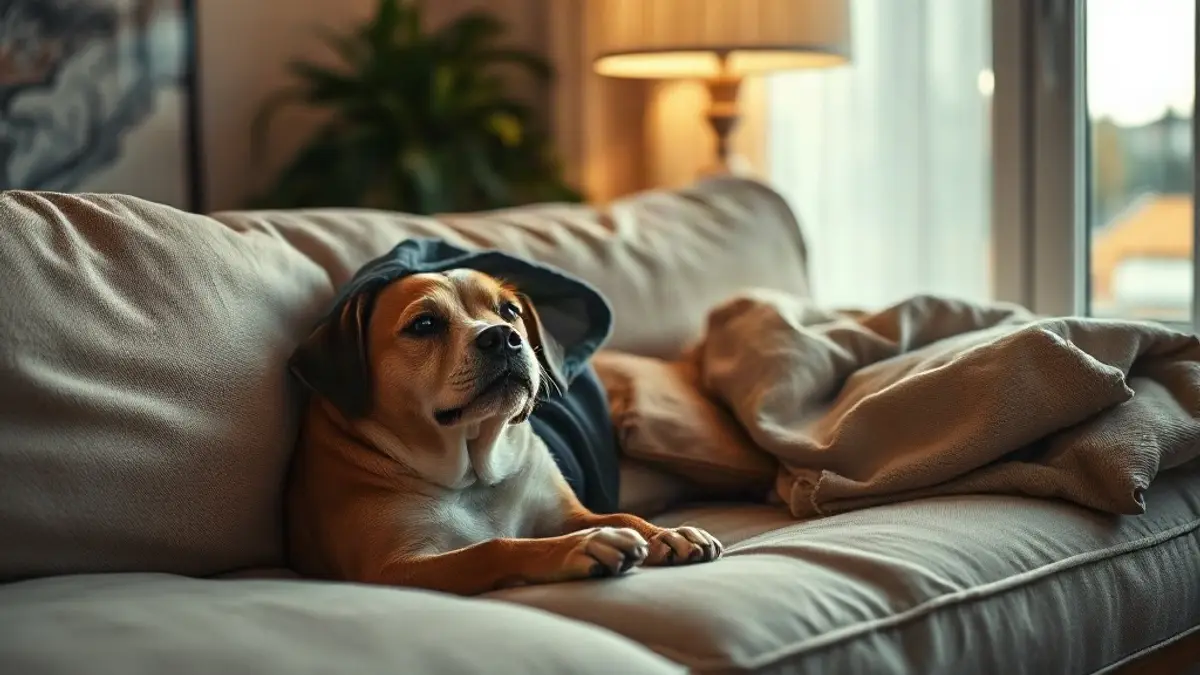
How Dogs Choose Their Favorite Person
Understanding how dogs choose their favorite person comes down to social bonding, predictable routines, and positive associations. During the primary socialization window—between four and sixteen weeks of age—a puppy’s brain is exceptionally receptive to human interaction. The people who handle, feed, and comfort a puppy during this critical developmental period often hold a special place in that dog’s mental map for life. However, even adult and senior dogs continuously update their social preferences based on daily experiences.
Canine favoritism is rarely about raw affection alone. It relies heavily on energetic alignment and communication style. A high-energy dog might gravitate toward the family member who runs three miles every morning, while a timid companion might bond with the person who sits quietly on the floor reading a book. Dogs are keen observers of human behavior, paying attention to vocal pitch, body posture, and emotional stability. To understand how these signals work in practice, it helps to examine how dogs communicate through subtle shifts in eye contact, ear placement, and weight distribution.
Quality of interaction almost always beats sheer quantity of time spent in the same room. A person who spends fifteen minutes engaged in focused tug-of-war, gentle scratch sessions, or structured training can easily become the dog favorite person over someone who works nearby on a laptop for eight hours without making eye contact. Dogs reward focus, consistency, and shared activities that satisfy their natural instincts.
Signs You’re Your Dog’s Favorite Person
When evaluating signs you’re your dog’s favorite person, look for repeated patterns rather than isolated moments. Dogs exhibit specific physical cues when they feel a strong sense of comfort and joy around a particular individual.
The High-Intensity Greeting Routine
Notice what happens when you step through the front door after running a simple errand. A dog whose favorite human has returned often demonstrates loose, wiggly body movements. Their tail might swing in wide circles rather than stiff side-to-side ticks, and their ears may lie back in a soft, non-threatening gesture. They might jump up slightly, grab a nearby shoe or plush toy, or press their flank firmly against your shins. The intensity and full-body nature of the greeting offer clear hints about their underlying preference.
The Unprompted Shadow Behavior
If you find yourself constantly stepping over your companion in the kitchen or discovering a nose resting against the bathroom door frame, you are seeing a primary indicator of favorite status. Exploring why your dog follows you everywhere reveals that dogs stay near the person they view as their anchor and primary source of interesting events. They do not follow out of obligation; they follow because your presence naturally predicts good things, such as an unexpected treat, an impromptu yard visit, or simply an affectionate ear rub.
Toy Offerings and Personal Keepsakes
When your dog trots over holding a damp tennis ball, a frayed rope, or your newly discarded sock, they are extending a social invitation. Bringing toys is not always an attempt to start a game of fetch. Many times, presenting a valued object to a specific person is a sign of high regard. They are sharing something that brings them joy with the human they feel closest to. If they deposit the toy directly on your lap while ignoring other people sitting on the sofa, you have received a clear compliment in canine dialect.
Am I My Dog’s Favorite Person? Looking at Sleep Habits
Where a dog chooses to rest when they are at their most vulnerable tells you a great deal about who is my dog’s favorite person. Sleeping requires complete trust. When a dog lies down, closes their eyes, and enters deep sleep, they let go of their survival guards, placing their safety entirely in the hands of the environment around them.
Imagine a terrier mix named Barnaby. When the evening news comes on, Barnaby has three comfortable dog beds and two vacant armchairs to pick from. Instead, he climbs onto the sofa cushion, presses his spine directly against his owner’s thigh, lets out a long, shuddering sigh, and falls asleep. That deliberate choice to seek physical contact during rest is one of the strongest indicators of emotional attachment.
Physical touch during resting hours stimulates the release of calming hormones in both humans and dogs. By observing whether your dog curls up at your feet, rests their chin on your ankle, or demands to sleep under the bedsheets near your hips, you can assess whether you are your dog’s safe place during quiet hours. You can learn more about these nocturnal choices by reading about why your dog sleeps next to you in our dedicated sleeping guide.
Food, Walks, and Play: How Routines Shape Choice
It is common to assume that the household member who dumps kibble into the bowl every morning automatically wins the title of dog favorite person. While food is a powerful motivator, canine social structure is far more complex than a simple meal exchange.
Primary care routines establish trust and predictability. When you consistently deliver breakfast, strap on the harness for daily neighborhood walks, and manage play sessions, your dog builds a deep mental association between you and their core emotional needs. However, the nature of these routines matters just as much as the frequency:
- The Walking Companion: The person holding the leash provides exposure to new scents, neighborhood tracking, and physical release. This individual becomes synonymous with adventure and exploration.
- The Play Facilitator: The person who engages in interactive games like hide-and-seek or fetch offers high-arousal fun, making them an exciting favorite for energetic breeds.
- The Calming Presence: The individual who offers steady petting, gentle grooming, and quiet couch companionship fulfills the dog’s need for emotional regulation and security.
If you fulfill two or three of these roles, your odds of being chosen increase significantly. Understanding what you are to your dog comes down to recognizing which of these daily roles you play in their eyes.
Take a quick break from reading to reflect on your own household setup. If you want a fun, sweet way to see how your daily habits look from your dog’s perspective, take a moment to try the free six-question experience. By sharing six simple details about your dog’s funny quirks and favorite things, you will get a personalized, digital look at what your companion might say about you if they could pick up a pen. It takes about one minute, requires no account signup, and offers a delightful window into your daily bond.
Managing Multi-Person Households Without Guilt
In family homes or shared apartments, canine favoritism can occasionally cause lighthearted tension or mild hurt feelings. One partner might buy expensive organic treats and carry out late-night rain walks, only to watch the golden retriever run past them to snuggle against the other partner who simply sits on the couch playing video games.
It is vital to approach multi-person household dynamics without guilt or disappointment. A dog having a single favorite person does not mean they lack affection for everyone else. Canine bonds are specialized rather than exclusive. A dog may select one human as their safe anchor for stormy weather, another as their high-energy running partner, and a third as their preferred cuddle mate for afternoon naps.
Here are common roles dogs assign across a multi-person family:
- The Executive Caregiver: The person who maintains feeding times, administers medication, and takes the dog to veterinary visits. The dog respects this person’s structure and predictability.
- The Fun Catalyst: The family member who turns every backyard excursion into a wrestling match or chase game. The dog greets this person with intense excitement.
- The Comfort Anchor: The soft-spoken individual who provides endless lap space and slow head scratches. The dog seeks this person out when feeling tired or overwhelmed.
To explore how dogs balance their relationships with multiple household members, read our reflection on a letter from a dog to a family. Every family member offers a unique dynamic that enriches the dog’s total life experience.
How to Know If Your Dog Chose You: Signs and Honest Caveats
To help you separate genuine indicators of favoritism from standard canine behaviors, the table below outlines common actions owners notice, along with realistic interpretations and honest caveats.
| Behavioral Sign | What Owners Assume | What It Might Suggest | Honest Caveat |
|---|---|---|---|
| Intense greeting at the door | You are their absolute favorite human above all others. | High excitement and happiness at your return to the social unit. | Dogs often greet whoever arrives home most dramatically, regardless of overall attachment hierarchy. |
| Resting their chin on your knee | They prefer you over everyone else in the living room. | A gentle request for physical touch, warmth, or direct attention. | They may simply be choosing the softest blanket or the person closest to the kitchen. |
| Following you into every room | Complete devotion and constant desire for your presence. | High trust, curiosity, or routine shadow habit. | Could indicate boredom, lack of independent confidence, or mild separation stress. |
| Bringing you their prized toy | They view you as their chosen play partner and friend. | A gesture of social interaction and trust in sharing valued items. | They might just want you to throw the ball because you have the best throwing arm. |
| Deep eye contact while resting | A profound emotional expression of mutual devotion. | Calm affection, trust, and oxytocin release during peaceful moments. | Direct staring can sometimes be a request for dinner or a signal that they need an outdoor break. |
When Preference Looks Like Clinginess: Favoritism vs. Anxiety
While knowing how to know if your dog chose you can feel incredibly rewarding, it is important to distinguish healthy preference from behavioral stress. Sometimes, intense attachment is mistaken for favoritism when it is actually driven by underlying anxiety or hyper-attachment.
If a dog panics whenever you leave the room, whines uncontrollably at closed doors, paces continuously, or refuses to eat when you are absent, these signs may point toward separation distress rather than simple preference. Similarly, if a dog growls, snaps, or places their body defensively between you and other family members, they may be exhibiting resource guarding rather than affectionate loyalty. In canine terms, a human can accidentally become a guarded resource if the dog feels protective over access to that person.
When you notice sudden changes in your dog’s behavior, intense clinginess accompanied by panting and trembling, or any form of aggressive guarding, it is best to consult a veterinarian or a certified professional dog trainer. Addressing underlying anxiety ensures that your dog’s affection remains rooted in calm confidence rather than stress.
How to Become Your Dog’s Favorite Human (or Close Second)
If you want to strengthen your bond and position yourself as a clear favorite, you can make deliberate, daily adjustments to your interactions. Building a stronger connection does not require grand gestures; it relies on small, intentional moments of positive reinforcement.
Here are five effective ways to elevate your status in your dog’s eyes:
- Engage in Focused, Uninterrupted Play: Set aside ten to fifteen minutes every day where your phone is put away and your entire attention is on your dog. Play games that suit their specific breed instincts, such as scent games for hounds or flirt pole games for high-drive dogs.
- Learn to Read Subtle Body Language: Respect your dog’s space when they give subtle signals that they want quiet time, such as yawning, turning their head away, or licking their lips. Dogs deeply trust humans who listen to their subtle communication.
- Implement Positive Reinforcement Training: Teach new tricks or refine obedience using high-value rewards like small pieces of cooked chicken or soft treats. Training builds mental stimulation and positions you as a source of fun rewards.
- Provide Gentle, Intentional Physical Touch: Learn where your dog loves to be petted. Many dogs prefer slow scratches behind the ears, under the chin, or along the sides of the ribs rather than energetic pats on the top of the head.
- Maintain Predictable Schedules: Dogs thrive on routine. Delivering meals, walk times, and outdoor breaks at consistent times creates a profound sense of emotional security around you.
By practicing these steps, you will see noticeable improvements in your dog’s trust and affection. Review our full list of signs your dog loves you to track your progress over time.
Turning Your Bond Into a Digital Keepsake
When you spend years noticing the tiny, specific details of your life together—the precise way your dog rests their chin on your ankle, the weird low grumble they make when breakfast is two minutes late, or how they choose your spot on the couch the second you stand up—you realize how rich your relationship really is. Capturing those everyday observations in words creates a lasting memory you can revisit whenever you want.
At Letter From My Dog, we turn those specific, hilarious, and tender details into personalized digital keepsakes. The primary offering is the Letter From My Dog™ ($7, one-time purchase), a deeply custom letter written from your dog’s perspective. Created from the details you share with the help of generative AI, your order includes a complete personalized letter, Our Bond Story, 10 Little Things Your Dog Probably Loves About Life With You, The Tiny Things™, bonding activity suggestions, a printable PDF formatted for framing, a custom phone wallpaper, and a shareable Instagram card.
If you want to explore other formats, we also offer a custom 16-page personalized dog storybook ($19) that turns your adventures into a illustrated digital book, or the Dog Movie Poster Pack™ ($4) featuring four original movie-style prints starring your companion. Every product is purely digital, delivered right after creation, and ready to print at home.
Frequently asked questions
Can a dog change who their favorite person is?
Yes, a dog can change their favorite person over time. While early socialization creates strong initial bonds, dogs continually evaluate their social environment based on daily routines, attention, and positive interactions. If a new household member takes over walking, feeding, and play schedules, or if an owner’s daily availability shifts, a dog will naturally adapt and may choose a new primary favorite human based on who best meets their emotional and physical needs.
Why does my dog choose my partner over me when I do all the work?
Dogs do not always measure affection through domestic effort. While you may handle feeding, grooming, and vet visits, your partner might represent low-stress affection or exciting, novel play. Sometimes the person who does the routine maintenance is associated with necessary structure or unpleasant tasks like nail trimming. To boost your standing, balance routine care chores with lighthearted, high-reward play sessions and quiet, focused cuddling.
Is my dog’s favorite person the one they sleep with?
Sleeping next to someone is a strong indicator of trust and affection, but it is not the sole criteria for favorite status. Dogs choose sleeping locations based on comfort, bed temperature, mattress space, and security. A dog might sleep next to one person because they stay still throughout the night, but greet a different person with greater energy in the morning. Look at sleeping choices alongside greeting rituals and play habits.
Do dogs always pick the person who feeds them?
Food is a powerful motivator, but feeding alone does not guarantee favorite status. Dogs build deep attachments based on interactive engagement, play, walking routines, and soft physical touch. A person who feeds the dog quickly before leaving for work may rank lower in affection than a person who spends twenty minutes playing interactive fetch or giving calm belly rubs, even if that second person never touches the food scoop.
How do I know if my dog treats me as a safe place?
Your dog views you as their safe place if they actively seek out your presence during times of uncertainty, stress, or novel situations. Clues include leaning against your legs during loud thunderstorms, resting their head on your lap in unfamiliar environments, or looking to you for guidance when encountering strange objects. When a dog looks at you with relaxed eyes and a loose body posture during tense moments, you are serving as their emotional anchor.
Can a rescue dog take longer to choose a favorite person?
Rescue dogs often require additional time to establish social preferences, especially if they experienced limited socialization, sudden life transitions, or past neglect. Building deep trust can take weeks or months of consistent, predictable daily routines. During this adjustment period, a rescue dog may test different household members to see who offers safe, quiet companionship before settling on a favorite person. Gentle patience and positive reinforcement are key.
Keep reading
Signs Your Dog Loves You (and Trusts You)
Your dog cannot say 'I love you' in words, but their body language, sleep spots, and walk check-ins reveal how deeply you are connected.
Why Does My Dog Follow Me Everywhere? The Sweet Reasons
From kitchen footsteps to bathroom door duty, here is what drives your dog's constant shadowing and what it says about your bond.
What Am I to My Dog? Parent, Friend or Safe Place
From quiet morning routines to wild reunion wags, here is how to read the playful roles you play in your dog's daily life.